Croydon Council Rules on Hedge Cutting and Garden Waste: A Practical Homeowner's Guide
If you live in Croydon, hedge cutting and garden waste can feel simple right up until the bins are full, the clippings are everywhere, and a neighbour has a question about overhanging branches. That is usually when people start searching for Croydon Council rules on hedge cutting and garden waste. The short version? Keep your hedge work tidy, dispose of green waste properly, and make sure you are not creating a nuisance, a blocked pavement, or a disposal problem for yourself. This guide breaks the topic down in plain English, with the practical details that matter in everyday life.
We will cover how the rules tend to work in practice, what garden waste should and should not go in household containers, when it makes sense to book a professional service, and where homeowners often trip up. If you are dealing with a larger boundary hedge, a seasonal clear-up, or a garden that seems to generate clippings by the shed-load, this should help you get on top of it without fuss.
- Why it matters
- How it works
- Key benefits
- Who needs this
- Step-by-step guidance
- Expert tips
- Common mistakes
- Tools and resources
- Compliance and best practice
- Options and comparison
- Real-world example
- Practical checklist
- Conclusion
- Frequently asked questions
Why Croydon Council rules on hedge cutting and garden waste Matters
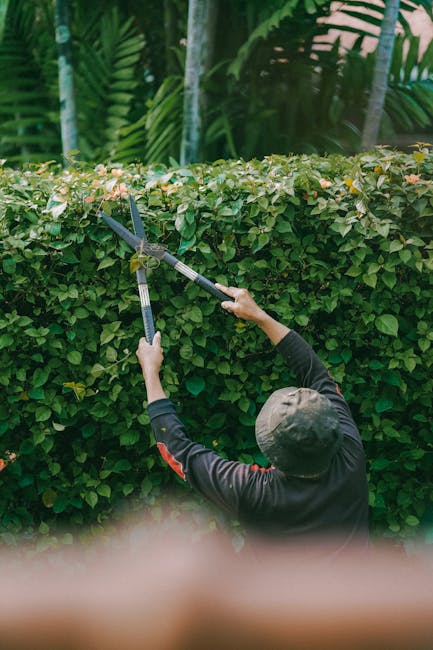
Hedge cutting sounds like a purely gardening job, but in a built-up borough it quickly becomes a public-space issue. A hedge that spills across a pavement can force pedestrians into the road. A pile of cuttings left out after trimming can blow into drains, scatter across driveways, or attract complaints. And when waste is stored or presented badly, collection crews may not take it away. That is the real-world side of it.
For homeowners, landlords, and anyone managing a front garden or shared boundary, the rules matter for three reasons. First, they help you avoid nuisance complaints. Second, they reduce the risk of extra cleanup or disposal costs. Third, they keep your garden routine predictable, especially after a big seasonal cut-back. Truth be told, nobody wants to spend a Saturday afternoon bagging wet clippings twice.
There is also a wider environmental angle. Garden waste that is sorted and handled sensibly can be reused or processed more efficiently than mixed rubbish. Even a modest tidy-up becomes more manageable when you separate the green stuff from the rest. If your garden is due a broader refresh, it may help to look at a broader garden maintenance plan rather than treating hedge cutting as a one-off chore.
How Croydon Council rules on hedge cutting and garden waste Works
Let's keep this straightforward. Hedge cutting itself is usually a private property matter, but once the clippings and branches are produced, you need to handle them in line with local waste arrangements and general garden care responsibilities. In practical terms, that usually means three things: keeping the hedge under control, keeping public paths clear, and putting the waste out in the right way.
Garden waste generally includes grass cuttings, hedge trimmings, leaves, small twigs, dead plants, and similar organic material. It should be kept separate from general household rubbish wherever possible. Mixed waste is where people get into trouble. If clippings are blended with plastic ties, compost bags, old pots, or general rubbish, the whole load becomes less useful and often less welcome.
Another point that catches people out is volume. A light trim from a small ornamental hedge is one thing. A full boundary cut can produce an unexpectedly large mound of green waste. On a damp day, it can feel like the pile doubles in size before lunch. If you are planning a larger project, it is worth thinking in advance about how the waste will be contained, lifted, and removed.
For hedges close to pathways, the "how it works" part also includes temporary safety. You need to work so that cut material does not block access, trip passers-by, or create slippery surfaces. That is especially relevant on narrow Croydon streets where front gardens and pavements sit very close together. A tidy finish is not just nice to have. It is part of the job.
Key Benefits and Practical Advantages
Getting hedge cutting and garden waste management right pays off in more ways than one. The obvious benefit is a cleaner garden, but the less obvious ones matter too.
- Less risk of complaints: Neighbours are less likely to object when hedges are trimmed neatly and waste is removed promptly.
- Safer access: Clear pavements, driveways, and paths reduce the chance of trips and obstructed access.
- Better plant health: A well-timed trim can improve airflow and shape without over-stressing the hedge.
- Easier waste handling: Sorting green waste properly makes disposal simpler, cleaner, and usually less frustrating.
- More predictable upkeep: When trimming is done regularly, you avoid the "jungle phase" where everything feels urgent.
There is a quality-of-life benefit too. A tidy hedge and an uncluttered side return change how a property feels. You notice it when you step outside in the morning and the space just looks calmer. A little less scruffy, a little more intentional. If you are trying to keep a home easy to live in, that counts.
For anyone in need of regular help, a dedicated hedge trimming service can also reduce the hassle of arranging waste removal separately, especially after bigger cuts.
Who This Is For and When It Makes Sense
This topic is relevant to more people than you might expect. Homeowners with front hedges, landlords managing rented gardens, older residents who want the work done safely, and busy families trying to stay on top of seasonal growth all run into the same basic question: what is the best way to cut and clear hedge waste without creating a problem?
It also matters if you live on a corner plot, on a narrow street, or anywhere with limited garden storage. In those situations, even a small hedge job can create a surprising amount of mess. If you have pets or children, the safety side becomes even more important because loose branches and scattered clippings tend to end up exactly where they should not. As ever, the garden has its own sense of humour.
It makes sense to pay close attention when:
- your hedge borders a public pavement or shared access route
- you are doing a major seasonal trim rather than a quick tidy
- you have more green waste than your usual container can handle
- you are combining hedge work with wider garden clearance
- you want to avoid repeated trips to sort out waste later
If the job is part of a broader tidy-up, a full gardening services visit can be more efficient than tackling hedge cutting in isolation.
Step-by-Step Guidance
If you want a no-nonsense way to approach the job, use this order. It keeps the work safer and the aftermath much easier.
- Inspect the hedge and boundaries. Check what needs cutting, what should be left alone, and whether any branches are leaning into a footpath or neighbouring property.
- Choose a dry window if possible. Wet clippings are heavier, messier, and more annoying to collect. That bit is obvious, but it makes a big difference.
- Prepare your waste plan first. Before you cut a single branch, know where the clippings will go, how they will be gathered, and what will be done with thicker material.
- Trim in manageable sections. Work from one end to the other instead of scattering cuttings everywhere and hoping for the best.
- Keep paths and driveways clear. Move cuttings away as you go so people can still walk safely.
- Separate green waste from other rubbish. Rope, wire, plant ties, plastic labels, and pot fragments should not be mixed in with hedge trimmings.
- Finish with a final sweep. Small bits matter. A last rake-up stops clippings from getting trodden into paving or blown down the street.
- Check the hedge line from a distance. Step back and look at the shape before calling it done. You will often spot a missed bulge straight away.
A simple habit helps here: cut less, clear more. It sounds almost too basic, but it stops the garden from getting away from you. If the trim is larger than expected, do not force it into one pass. You may be better off breaking the work into two sessions and removing waste in stages.
Expert Tips for Better Results
In practice, good hedge cutting is as much about timing and preparation as it is about sharp tools. Here are the things that tend to make the biggest difference.
- Trim regularly rather than letting growth surge. Frequent light cuts are usually easier to manage than one heavy reshape.
- Use the right container for the right waste. Light cuttings can go in bags or bins, but bulky hedge material may need bundling or a separate removal plan.
- Watch for nesting wildlife and active growth. If a hedge is home to birds or has fresh shoots, pause and assess before cutting hard. Be sensible about it.
- Work top to bottom where it suits the hedge. That helps clippings fall into a controlled area instead of settling on already-finished sections.
- Keep the hedge profile slightly tapered. A broader base and narrower top can help lower growth receive light.
- Pair hedge work with adjacent tidy-ups. Removing weeds, sweeping borders, and clearing ivy or stray climbers can make the hedge look better without extra cutting. For problem ivy, this ivy removal guide is a useful nearby read.
If your garden tends to build up clutter fast, the real win is routine. A little now saves a lot later. That is especially true with hedges that throw dense cuttings or gardens with lots of leaf drop in autumn.
And yes, the humble rake still earns its keep. Some things are old-fashioned because they work.
Common Mistakes to Avoid
Most problems with hedge cutting and garden waste are avoidable. The same mistakes crop up again and again, usually when people are rushing or trying to do too much in one go.
- Leaving clippings on the pavement: It looks untidy and can create a slip or trip hazard.
- Mixing garden waste with general rubbish: This creates handling issues and can make disposal more complicated.
- Overcutting the hedge: Too much taken off at once can leave the plant stressed and the garden bare.
- Ignoring access routes: Blocking a path, even briefly, is a nuisance and can be unsafe.
- Forgetting about neighbours: Hedge work often creates noise, debris, and occasional overreach into shared boundaries.
- Underestimating the amount of waste: One hedge can produce several bags' worth before you know it.
A common one, and a slightly painful one, is starting the cut before working out where the waste will sit. Then suddenly you are standing in a mountain of branches with nowhere to put your feet. We have all seen that sort of afternoon. Not ideal.
Tools, Resources and Recommendations
You do not need a garage full of specialist kit to handle hedge cutting well, but the right basics make the work cleaner and safer. If you are doing this yourself, start with the essentials and keep them in good order.
- Hedge trimmers or shears: Choose what suits the hedge size and thickness.
- Gloves and eye protection: Useful for flying bits, thorny growth, and the odd stubborn twig.
- Rake and broom: Simple, effective, and still hard to beat for cleanup.
- Heavy-duty bags or bins: Helpful for smaller cuttings and tidying up as you go.
- Tarp or sheet: Handy for moving clippings in a controlled way.
- Secateurs or loppers: Better for thicker branches than forcing the trimmer to do everything.
If you are building a more sustainable garden routine, it can also be worth thinking about how future clippings might be reduced or repurposed. Some gardeners use the opportunity to rethink borders, swap in lower-maintenance planting, or improve soil structure. For a broader sustainability angle, the article on nutrient-rich soil from waste is a useful companion piece.
For people who prefer not to handle the waste themselves, a professional team can usually streamline the whole process, particularly when hedge cutting is bundled with ongoing care or a larger tidy-up. If you are comparing options, pricing and quotes is the sensible place to start.
Law, Compliance, Standards, or Best Practice
While every situation is different, the safest way to think about Croydon Council rules on hedge cutting and garden waste is this: keep public spaces clear, present waste properly, and do not assume a hedge on private land gives you freedom to ignore the pavement outside it. Local expectations around cleanliness and obstruction matter even when the garden itself is private.
There are also general UK responsibilities around not causing a nuisance or hazard. That can include debris drifting into the street, hedge growth obstructing access, or cuttings left in a way that creates mess for others. In shared housing or rented properties, there may be additional duties under tenancy or property management arrangements too. Nothing dramatic, just the ordinary standards that keep neighbourhoods workable.
From a best-practice point of view, the safest approach is:
- check for overhanging growth before starting
- keep work contained to your property where possible
- remove waste promptly after cutting
- avoid placing bags or branches where they can block access
- dispose of green waste separately from general household rubbish
If your hedge work involves larger trees, heavy branches, or awkward access, it may be better treated as a specialist job. In that case, tree surgery can be more appropriate than standard hedge cutting, especially when safety or structural concerns are involved.
For households that want to stay on the right side of day-to-day obligations without making a project out of it, regular upkeep is usually the best compliance habit of all. A tidy hedge is rarely the problem. An ignored hedge can become one.
Options, Methods, or Comparison Table
There is no single right way to deal with hedge clippings and garden waste. The best option depends on the size of the job, how often you cut, and how much time you want to spend wrestling bags at the end. Here is a practical comparison.
| Method | Best for | Pros | Watch-outs |
|---|---|---|---|
| Small DIY cut with household containers | Light trims and compact hedges | Cheap, simple, quick to organise | Can fill up fast; not ideal for bulk growth |
| DIY cut with staged bagging | Medium hedge jobs | More control over waste and cleanup | More effort and more lifting |
| Professional hedge cutting and clearance | Large hedges or regular upkeep | Cleaner finish, faster removal, less disruption | Cost is higher than doing it yourself |
| Bundled garden maintenance visit | Garden refreshes and seasonal tidy-ups | Efficient, better overall result, less repeat work | May be more than you need for a tiny job |
For many homeowners, the sweet spot is a regular trim plus a tidy waste plan. That approach keeps the hedge manageable and stops disposal becoming a small drama every time the weather warms up.
Case Study or Real-World Example
Imagine a typical Croydon front garden in late spring. The hedge has grown a bit faster than expected after a mild, wet spell. It is not wild, but it has started brushing the pavement and making the entrance feel narrower than it should. The homeowner plans a Saturday cut, thinking it will take an hour. It takes two and a half. That is life.
At first, the cuttings are placed in a loose pile beside the gate. By mid-morning, there are branches underfoot, a bag has split, and the bin lid will not close. The job is still fixable, but now there is extra sweeping, a second sort-through for stray twigs, and a mess that could have been avoided with a tarp and staged cleanup.
The second time around, the same garden is handled differently. The hedge is cut in sections, clippings are moved onto a sheet as they fall, thicker stems are separated straight away, and the pavement is kept clear throughout. The whole thing looks less dramatic, and the finish is tidier. Not flashy. Just efficient.
That is the core lesson, really. The rules are not there to make life difficult. They exist because a small bit of planning prevents a lot of inconvenience for you and for everyone passing by.
Practical Checklist
Use this checklist before and after any hedge-cutting job so the waste side stays under control.
- Check whether the hedge borders a pavement, driveway, or shared access point
- Choose a dry, workable day if possible
- Set out bags, bins, or a tarp before cutting begins
- Separate green waste from plastic, wire, and general rubbish
- Keep walkways and entrances clear throughout the job
- Cut in sections rather than all at once
- Rake and sweep the area after cutting
- Inspect the hedge shape from a distance
- Remove waste promptly once the trim is done
- Book help if the hedge is large, awkward, or unsafe to manage alone
If the job has grown beyond a simple tidy, a broader garden maintenance visit can save time and leave the space feeling properly reset.
Get a free quote today and see how much you can save.
Conclusion
Croydon Council rules on hedge cutting and garden waste are easiest to follow when you keep one principle in mind: tidy the hedge, clear the waste, and do not leave problems lying around for neighbours, pedestrians, or collection crews. That simple approach covers most of the practical ground without making the job feel bureaucratic.
Whether you are trimming a small boundary hedge, clearing a season's worth of clippings, or organising a larger garden reset, the best results come from planning the waste before you start. A bit of preparation saves time, avoids complaints, and leaves the garden looking cared for rather than half-finished. To be fair, that is what most people want anyway.
If the work feels bigger than your current toolkit, or if you would rather have the hedge cut and waste removed in one smooth visit, a professional service can make the whole process much easier. And once the job is done properly, the garden tends to feel lighter somehow. Quieter. Better. A small win, but a nice one.
Frequently Asked Questions
What counts as garden waste when cutting a hedge?
Garden waste usually includes hedge trimmings, leaves, small branches, grass cuttings, and other plant material. It should be kept separate from general household rubbish whenever possible.
Can I put hedge clippings in my normal bin?
Small amounts may fit, but hedge clippings take up space quickly and can be heavy, especially when wet. For larger jobs, it is usually better to use the correct green waste arrangement or arrange removal separately.
Do I need to clear hedge cuttings from the pavement right away?
Yes, if cuttings fall onto a public path or access route, they should be cleared promptly. Leaving debris out can create a hazard and is one of the most common reasons people run into complaints.
What should I do with thicker branches from hedge trimming?
Thicker branches are best separated from soft clippings. They may need bundling, cutting down further, or handling as part of a larger clearance job rather than being mixed into a bin bag.
When is the best time to cut a hedge?
Many people prefer dry, mild conditions because clippings are easier to manage and the working area stays less slippery. The best timing also depends on the hedge species and how hard it can safely be cut back.
Can hedge cutting affect wildlife?
Yes. Hedges can provide shelter and nesting habitat, so it is sensible to check carefully before cutting hard, especially during active growing or nesting periods. If in doubt, pause and inspect the hedge properly.
How often should a hedge be trimmed?
That depends on the species and how fast it grows, but regular light trims are usually easier to manage than infrequent heavy cuts. A steady routine often means less waste and a neater shape.
What is the easiest way to handle a lot of green waste?
The easiest approach is to prepare before you start: use a tarp or bags, clear as you go, and separate soft clippings from woody material. For larger jobs, a professional clearance service can be much less stressful.
Is hedge cutting part of general garden maintenance?
Yes, in most homes hedge cutting sits naturally alongside pruning, lawn care, weeding, and seasonal tidying. It is often best treated as part of a wider maintenance plan rather than as a one-off task.
What if my hedge is too tall or awkward to manage safely?
If the hedge is tall, dense, or close to a difficult boundary, it may be safer to get help. Taller work usually means more reach, more waste, and more risk than people expect at first glance.
Can professional help include both trimming and waste removal?
Yes, many homeowners prefer a combined service so the hedge is cut and the waste is taken away in one visit. It is often the cleanest option when the job is bigger than a light tidy-up.
What is the biggest mistake people make with hedge waste?
The biggest mistake is usually underestimating the volume. What looks like a modest trim can turn into several bags of waste, so it helps to have a disposal plan ready before you begin.