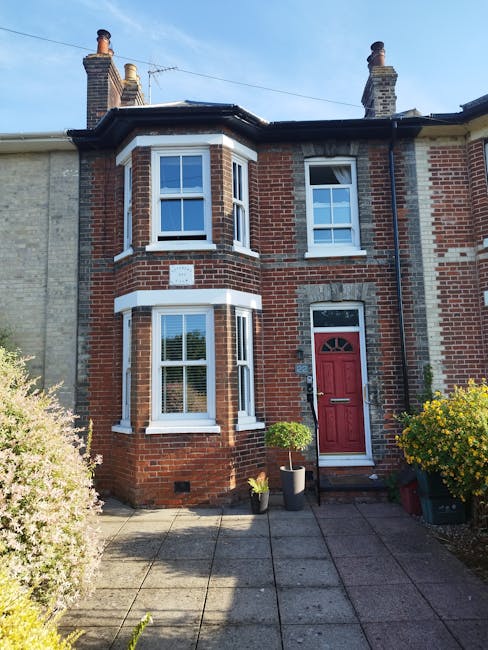
Garden clearance case study Purley terrace before and after

If you are staring at a cluttered terrace, overgrown borders, or a garden that has slowly turned into a "we'll deal with it later" space, this kind of project can feel oddly emotional. The Garden clearance case study Purley terrace before and after you are about to read is designed to show what a proper clearance looks like in real life: the decision-making, the mess, the tidy-up, and the difference it makes once the dust settles. Or the leaf mulch, in this case.
This article walks through the process in a practical, honest way. You will see why a terrace clearance matters, how the work is usually approached, what the before-and-after transformation really involves, and which mistakes tend to create extra cost or stress. Along the way, there are also helpful links to related guidance, such as garden maintenance, patio cleaning, and landscaping for anyone thinking beyond one-off clearance. Let's get into it.
Why Garden clearance case study Purley terrace before and after Matters
A terrace garden can look small on paper and still become surprisingly overwhelming. Pots stack up. Ivy creeps. Broken bits collect in corners. A patch of paving disappears under moss, weeds, and fallen leaves. Before long, the whole space feels heavier than it should.
That is exactly why a before-and-after case study is useful. It shows that clearance is not just about making things look neat for a day. It is about restoring access, reducing hazards, and creating a workable outdoor space again. In Purley, where many terraces have compact layouts and awkward side returns, this matters even more. A tight garden needs clear edges, safe footing, and a plan that respects the limited footprint.
There is also a psychological side to it. People often put off clearance because the garden feels "too far gone". Once the first load of waste is removed and the central area opens up, the whole job becomes easier to understand. That shift, honestly, is half the battle.
For homeowners who want to move from one-off clearance into ongoing upkeep, this type of project often links naturally with gardening services or regular lawn care. A clear terrace is much simpler to maintain than a garden that has been allowed to drift for a season or two.
Expert summary: A strong terrace clearance does more than remove mess. It resets the space, reveals what can be saved, and makes future maintenance realistic instead of exhausting.
How Garden clearance case study Purley terrace before and after Works
A proper terrace clearance usually follows a fairly structured process, even if the garden itself looks chaotic at the start. The order matters. If you rush the wrong stage, you can end up creating more waste, more damage, or just more work for yourself later. Not ideal.
Typically, the job begins with a visual assessment. That means looking at what is actually there: overgrowth, self-seeded plants, old containers, soil spill, ivy, dead material, broken fixtures, and any signs of hidden issues like slippery paving or damaged fence panels. The team then decides what can be cut back, what should be removed entirely, and what might be retained for the next stage of design.
After that comes the physical clearance itself. This might involve:
- cutting back dense growth and tangled stems
- lifting leaf litter, twigs, and heavy organic debris
- removing dead plants, spent annuals, and unwanted self-seeders
- clearing weeds from borders, cracks, and paving joints
- taking away old containers, broken supports, or garden clutter
- reducing overhanging growth where access or light is poor
After the main removal work, the space is usually tidied, swept, and assessed again. This second pass is important. Once the bulk of the clutter is gone, smaller problems stand out. A cracked slab, a patch of compacted soil, or an ivy root that looked harmless before suddenly becomes obvious. That is the moment where good clearance becomes good garden judgement.
If the terrace is being cleared in preparation for a fresh layout, the next phase may blend into planting, hedge work, or surface improvement. For that kind of joined-up approach, pages like hedge trimming Purley and fencing are often relevant because structure matters once the overgrowth is gone.
Key Benefits and Practical Advantages
The obvious benefit is that the garden looks better. Fair enough. But in practice, the advantages run deeper than a neat photo at the end.
- Safer movement: Clearing slippery growth, hidden debris, and unstable clutter reduces the risk of trips and awkward falls.
- Better light and air: On a terrace, especially a narrow one, opening the space can make a huge difference to plant health and comfort.
- More usable space: A cleared terrace suddenly feels bigger. You can walk through it, sit in it, and actually use it.
- Clearer design decisions: Once the clutter is gone, you can see what the garden wants to be. That sounds a bit poetic, but it is true.
- Lower maintenance pressure: A reset garden is easier to keep on top of than a garden that is permanently fighting you.
There is also a practical money angle. When a space is cleared properly, future maintenance tends to become more predictable. You are less likely to need emergency intervention, fewer awkward fixes, and fewer "while we are here" surprises later on. That does not mean every clearance is cheap; it means it can save hassle and avoid compounding issues.
Another bonus is that clearance can reveal opportunities. Perhaps the terrace has enough sunlight for a compact herb corner. Perhaps there is room for seating once a stump or old planter is removed. Perhaps the back boundary could support a smarter privacy solution, which is where a piece like rapid-growing privacy hedges becomes useful reading.
And if the end goal is a more peaceful, low-fuss outdoor area, the ideas in low-maintenance garden ideas can be a sensible next step.
Who This Is For and When It Makes Sense
This kind of clearance is not only for neglected gardens. That is a common assumption, but it is a bit too narrow. A terrace may need a serious clear-out after seasonal build-up, after tenants move out, before a sale, or before a redesign. Sometimes the garden is not wild, just badly arranged.
It makes particular sense if you are dealing with any of these situations:
- dense weeds pushing through paving or borders
- climbers or ivy taking over fences, walls, or shed edges
- dead shrubs, broken pots, or damaged edging
- a small garden that feels cramped and underused
- a terrace that needs opening up before planting or decoration
- an outdoor area that has become difficult to clean or access
It is also a sensible move for families who want a tidier, safer space for children or pets. If that is your situation, the guidance in creating a safe and fun garden for your children and pet-safe gardening ideas may help shape what comes next.
Sometimes the best time for a terrace clearance is simply now. Not next month, not after the weather improves, not after you "find a free weekend". You know how that goes.
Step-by-Step Guidance
Here is the practical sequence most property owners find easiest to follow. You can use it whether you are hiring help or planning a thorough DIY reset.
1) Walk the garden and identify priorities
Start with what affects access and safety. Paths, steps, door thresholds, and any area you have to squeeze past every day should come first. Then note the growth that blocks light, crowds the seating area, or hides structural issues.
2) Separate what stays from what goes
Do not cut everything just because it looks messy. Some plants may be healthy and worth keeping. Others may be weeds in disguise, or just taking up too much space. A quick decision now prevents regret later.
3) Remove loose waste and bulky clutter first
This includes broken planters, old canes, dead annuals, fallen branches, and anything that makes the terrace awkward to work in. Clearing the surface gives you room to think.
4) Cut back overgrowth carefully
Work from the top down where needed, especially with tangled climbers or hedging. If you are dealing with ivy or persistent runners, do not yank randomly. That often leaves root systems behind and makes the problem worse. There is a useful read on dealing with ivy properly if that is part of your job.
5) Deal with weeds and root fragments
Weeds are annoying because they are not usually one single problem. Seeds, runners, and root fragments all behave differently. A patch that looks "gone" may rebound quickly if the roots are not handled properly. A little patience here pays off.
6) Sweep, inspect, and reassess
Once the heavy work is done, sweep the terrace and borders. Then walk through again. This is where hidden repairs or improvement opportunities become visible.
7) Decide the next phase
Some people stop after clearance and enjoy the reset. Others go straight into planting, paving improvements, seating, or structure. There is no single right answer. The right answer is what the space actually needs.
Expert Tips for Better Results
In our experience, the cleanest results come from a mix of discipline and restraint. That sounds a bit contradictory, but it is true. Clear what is causing the problem, yet leave enough healthy structure so the garden does not look stripped bare.
- Work in layers: Clear the obvious surface mess first, then deal with roots and fine detail. Trying to do everything at once is a fast route to fatigue.
- Keep an eye on drainage: On a terrace, hidden build-up can trap moisture against walls or paving edges. Once cleared, it is easier to see where water is gathering.
- Protect the useful plants: Mark anything worth retaining before cutting. A quick bit of tape or a visual boundary can stop accidental damage.
- Take before photos: Not for social media, necessarily. Mostly so you can track progress and make better decisions next time.
- Think past the tidy-up: If the space still feels awkward after clearance, the issue may be layout rather than mess.
One more thing: do not underestimate the value of the final sweep. Seriously. A terrace can look ninety percent done and still feel unfinished because of a line of debris along a wall or a pile of cuttings that missed collection. That last ten percent matters more than people expect.
If you are planning to refresh the whole outdoor area, you may also find it useful to browse related ideas like garden seating areas and ground covers for UK gardens.
Common Mistakes to Avoid
A lot of avoidable problems happen because people try to solve a clearance issue as if it were just a tidying job. It is not always that simple.
- Cutting without a plan: Random cutting can destroy shape, remove useful growth, and create more material than you expected.
- Ignoring root cause issues: If the terrace is constantly overrun with weeds, there may be a soil, drainage, or access issue underneath.
- Over-clearing everything: Stripping all structure out of a small garden can leave it looking exposed and oddly harsh.
- Leaving waste on site too long: Organic waste left in piles can smell, attract pests, and make the area harder to assess.
- Forgetting the boundaries: It is easy to damage shared fencing, neighbour-facing growth, or nearby features in a terrace setting.
There is also a timing mistake that comes up a lot: people wait until the whole garden is a problem before acting. That tends to make the job bigger than it needs to be. If you can intervene earlier, do it. Future-you will be very grateful, even if present-you is slightly grumbly.
Tools, Resources and Recommendations
The right tools make clearance smoother, safer, and less tiring. You do not need a van full of equipment for every job, but having the basics in good condition helps a lot.
| Tool or resource | Best used for | Why it helps |
|---|---|---|
| Gloves and sturdy footwear | General clearance and debris handling | Protects hands and improves footing on uneven surfaces |
| Secateurs or loppers | Cutting back woody stems and thicker growth | Makes cleaner cuts and reduces strain |
| Rake and stiff broom | Lifting loose debris and sweeping hard surfaces | Helps reveal the true condition of the terrace |
| Wheelbarrow or heavy-duty sacks | Moving cuttings and waste | Speeds up removal and keeps the working area clearer |
| Spade or hand fork | Weed removal and light border work | Useful for stubborn roots without over-disturbing the soil |
If you are building a proper toolkit, the advice in gardeners' toolbox essentials is a solid reference point. It is not glamorous, but the right tools genuinely change the job.
Other resources that often prove helpful when clearing and then rebuilding a terrace include pricing and quotes if you are comparing options, and about us if you want a clearer sense of the team behind the work. Those pages are worth checking if you are still deciding how much to handle yourself.
Law, Compliance, Standards, or Best Practice
For a garden clearance project, the main concern is usually not complex paperwork. Still, best practice matters. Waste should be handled responsibly, tools should be used safely, and work should avoid damaging shared boundaries or neighbouring property. In terrace settings, that last point matters more than people think.
In the UK, it is sensible to treat garden clearance as a job that should be carried out with care for trip hazards, manual handling, and safe disposal of waste. If you are hiring someone, it is worth checking their approach to risk and working methods. A clear policy on safety is a good sign, not a box-ticking exercise. The same goes for handling access, insurance, and any potentially hazardous materials in the garden.
Useful references on the site include health and safety policy, insurance and safety, and terms and conditions. If you are a customer, these pages help you understand how a professional job is usually managed. If you are doing the work yourself, the same principles still apply: plan the task, work safely, and do not rush the disposal stage.
For projects that involve heavy material, awkward access, or trees and large shrubs, it may be sensible to bring in broader help from tree surgery or landscaping. That is not overkill. Sometimes it is just the practical option.
Options, Methods, or Comparison Table
There is more than one way to clear a terrace garden. The best method depends on the amount of growth, the time available, and whether you want a simple tidy or a full reset.
| Method | Best for | Pros | Trade-offs |
|---|---|---|---|
| DIY light clearance | Small seasonal tidies | Low cost, flexible timing | Can become tiring and time-consuming |
| DIY deep clearance | Moderate mess and manageable overgrowth | Full control over what stays | Needs tools, time, and a disposal plan |
| Professional clearance | Heavy growth, tight access, larger workloads | Efficient, structured, less physical strain | Higher upfront cost than doing it yourself |
| Clearance plus redesign | Gardens that need both tidying and rethinking | Improves function and appearance together | Needs more planning and coordination |
If the terrace has become a long-term maintenance headache, a combined approach is often smartest. Start with clearance, then move into long-term upkeep. A blended plan often works better than one heroic weekend effort followed by three months of ignoring it. We have all been there, to be fair.
Case Study or Real-World Example
Here is a realistic terrace clearance example based on the sort of job that comes up often in Purley.
Before: The terrace had become crowded with self-seeded weeds, several abandoned pots, heavy leaf build-up, and a tangle of climbers along the boundary. The paving was still usable, but only in narrow strips. The owner described the space as "technically a garden, but not one I want to look at before coffee." That feeling is more common than you might think.
Assessment: The first step was to identify what was worth saving. A couple of established plants were healthy, so they were marked out for protection. The overgrowth near the wall was checked carefully because it had started to hide the edge of the path and some cracked mortar lines.
Clearance work: Loose clutter and plant waste came out first. Then the team reduced the thick growth at the back, cleared weeds from the paving joints, removed dead material from the borders, and opened up the central walking area. Once the main debris had been removed, a second sweep revealed a much cleaner layout than the owner had expected.
After: The terrace felt wider, brighter, and easier to move through. The paving was visible again. The retained plants stood out properly instead of disappearing into the mess. Best of all, the space looked like a place to enjoy, not just tolerate. That is the real before-and-after win.
From there, the owner had a clear choice: keep it as a tidy low-maintenance terrace, or build on the fresh start with planting and soft landscaping. They did not need to decide that on day one. And that is a good thing. A proper clearance buys breathing room.
For readers who are planning a similar reset, it may help to pair clearance with one of the lighter seasonal articles, like first moves to make when reawakening a garden or tips for tackling tough weeds.
Practical Checklist
Use this quick checklist before and during a terrace clearance. It keeps the job focused and stops the usual wandering off into "maybe we should move that bench as well" territory.
- Identify trip hazards and blocked access points
- Mark plants or features worth keeping
- Remove loose clutter and garden waste first
- Cut back overgrowth in a controlled order
- Check walls, fences, paving edges, and corners for hidden damage
- Lift weeds and root fragments rather than just trimming the tops
- Sweep hard surfaces once the bulk waste is gone
- Decide whether the space needs maintenance, repair, or redesign next
- Plan disposal so waste does not sit around for days
- Review the final result from the main walking points, not just one angle
Quick takeaway: if you can walk through the terrace comfortably, see the structure clearly, and name the next step without hesitation, the clearance has done its job.
Get a free quote today and see how much you can save.
Conclusion
A strong terrace clearance is not really about "cleaning up a garden" in the narrow sense. It is about getting the space back under control, revealing what is possible, and removing the quiet frustration that builds up when a small outdoor area stops functioning properly.
The best before-and-after results are rarely the most dramatic in a glossy way. More often, they are the ones that make a terrace easier to walk through, easier to maintain, and easier to enjoy on an ordinary Tuesday evening. That is the real value. Not perfection. Usability.
If your own garden has reached the point where every corner seems to need attention, start with clearance and build from there. Small spaces can change fast once they are given some breathing room. Honestly, that first clean line of paving can feel like a fresh start.
Frequently Asked Questions
What is included in a garden clearance on a terrace?
It usually includes removing weeds, dead plants, leaf litter, clutter, and overgrowth, plus sweeping and tidying hard surfaces. Larger jobs may also involve cutting back climbers, lifting bulky waste, and checking for hidden issues.
How long does a Purley terrace garden clearance usually take?
It depends on size, access, and how overgrown the space is. A small seasonal tidy may be fairly quick, while a heavily neglected terrace can take much longer because the work needs to be done in stages.
Can you clear a garden without damaging healthy plants?
Yes, if the job is planned properly. Healthy plants should be identified first, marked if needed, and protected while the surrounding mess is removed. This is one of the biggest reasons not to rush the work.
Is garden clearance the same as garden maintenance?
No. Clearance is usually a reset job that deals with a build-up of debris and overgrowth. Maintenance is the ongoing work that keeps the space tidy after that first big clear-out.
What happens to the waste after a clearance?
Waste is usually bagged, loaded, and removed for responsible disposal. If you are hiring help, it is sensible to ask how waste will be handled before the work starts so there are no surprises.
Should I clear the terrace myself or hire help?
Small tidy-ups can be DIY-friendly. But if the terrace is heavily overgrown, difficult to access, or involves larger waste, professional help is often the safer and more efficient choice.
Do I need a full clearance before landscaping?
Usually, yes. Clearing the space first helps reveal the real condition of the garden, which makes any redesign or landscaping plan more accurate and less likely to hit surprises halfway through.
What is the biggest mistake people make with overgrown terrace gardens?
The most common mistake is cutting randomly without checking what is actually causing the problem. Another frequent issue is leaving roots behind, which means the weeds or climbers come back faster than expected.
How can I keep a cleared terrace from getting messy again?
Regular sweeping, light pruning, seasonal weeding, and a simple maintenance plan make a huge difference. If the space is small, even ten minutes a week can prevent the old mess from returning.
Can a clearance improve privacy or light at the same time?
Yes. Clearing a terrace often reveals where privacy screening, hedging, or structure is needed, and it can also improve light by removing dead growth and blocking clutter. That is why the next stage matters so much.
What should I check before booking a clearance service?
Look at safety, insurance, waste handling, and whether the approach seems practical for your exact garden. It also helps to ask about timing and what level of clearance is included, so you know what result to expect.
Can terrace clearance be done in winter?
Yes, in many cases it can. Winter jobs are often more about access, structure, and removal of dead material. You just need to be mindful of wet surfaces, soft ground, and the effect on dormant plants.