Purley gardeners guide to Purley High Street front gardens
If you live near Purley High Street, your front garden does a lot of heavy lifting. It greets visitors, softens the street scene, and can make a modest home feel quietly polished before anyone even opens the door. This Purley gardeners guide to Purley High Street front gardens is built for the real-world stuff: awkward widths, patchy shade, exposed corners, tired lawns, and the sort of maintenance that has to fit around work, family, and the weather doing its own thing. Truth be told, front gardens are often simpler than people think - but only if you plan them properly.
Below, you'll find a practical, local-first approach to design, planting, upkeep, and the small decisions that make a big difference. There's no fluff here. Just usable guidance, a few hard-earned tips, and some sensible next steps if you want the front of your home to look sharp without becoming a weekend burden.
Table of Contents
- Why this topic matters on Purley High Street
- How front garden planning works in practice
- Key benefits and practical advantages
- Who this guide is for
- Step-by-step guidance
- Expert tips for better results
- Common mistakes to avoid
- Tools, resources and recommendations
- Law, compliance and best practice
- Options and comparison table
- Case study / real-world example
- Practical checklist
- Conclusion
- Frequently asked questions
Why Purley gardeners guide to Purley High Street front gardens Matters
Front gardens on and around Purley High Street are different from tucked-away back gardens. They're more visible, more exposed, and usually judged in seconds. That means your planting choices, paving, hedge lines, and maintenance routine all affect curb appeal in a way that's immediate and, frankly, hard to hide. A scruffy front bed can make an otherwise smart house feel neglected. A well-kept one does the opposite. You notice it on a wet Monday morning, before the kettle's even boiled.
There's also a practical side. Front gardens often have to deal with more foot traffic, narrower spaces, road dust, wind funneling down the street, and varying levels of light depending on the surrounding buildings. On busier roads, you may also want privacy without creating a blocked-in look. That's where clever planting, tidy edging, and the right scale really matter.
In our experience, the best front gardens near busy high streets do three things well:
- they look attractive from the pavement without feeling overdone;
- they stay manageable through most of the year;
- they work with the house rather than competing with it.
That balance is the whole game. And yes, it can be done even if the space is tiny. Sometimes especially if it's tiny.
How Purley gardeners guide to Purley High Street front gardens Works
The basic principle is straightforward: start with structure, then layer in planting, then build a maintenance plan that you can actually keep up with. Too many front gardens are designed backwards. Someone buys plants they like, drops them into the ground, and only later realises the layout doesn't suit the path, bin access, windows, or seasonal light. That's how you end up with a garden that looks busy in spring and slightly chaotic by August.
A better approach is to think in zones. Most front gardens near Purley High Street can be divided into a few functional areas:
- Boundary zone: hedges, low fencing, walls, or climbers that define the edge.
- Feature zone: a focal plant, small tree, decorative container, or bed.
- Access zone: path, steps, gate approach, and anything that needs to stay clear.
- Low-maintenance zone: mulch, ground cover, or gravel where planting would be a nuisance.
Once you know those zones, the rest becomes easier. For example, if your front garden is narrow and exposed, a clipped hedge and a few tough evergreen shrubs may work better than a mixed border full of high-maintenance perennials. If the space is shaded by neighbouring buildings, choose plants that tolerate that light rather than battling the site year after year. One small decision saves a lot of chasing your tail later.
If you're unsure where to start, a sensible first move is to look at the garden as a system, not a shopping list. That's the same reason many people begin with a quick reset and tidy-up before adding anything new. For a helpful reset mindset, the advice in the first moves to make when reawakening a garden fits front-garden planning really well.
Key Benefits and Practical Advantages
A good front garden does more than "look nice." It changes how the property feels and, often, how it functions day to day. That might sound obvious, but it's easy to underestimate until you've lived with a poor layout for a while. A front space that traps mud, blocks sight lines, or creates constant pruning chores will wear thin fast.
Here are the practical benefits that matter most:
- Better first impressions: a tidy entrance makes the whole property feel cared for.
- Improved privacy: careful screening can soften views from the street without looking defensive.
- Lower ongoing effort: the right planting palette can reduce mowing, weeding, and replacement costs.
- Cleaner access: well-designed paths and edges cut down on mess at the doorway.
- Year-round structure: evergreens and strong shapes keep the garden looking alive even in winter.
- Better resilience: front gardens exposed to wind and weather benefit from tougher planting choices.
Another often-missed advantage is safety. Clear sight lines near the entrance make visitors feel welcome, and they help you avoid awkward trip hazards. Small steps, leaning paving, overgrown hedges - these are the bits people don't notice until someone nearly clips them with a bag or pushchair. Not ideal.
If privacy is one of your goals, it's worth thinking beyond a single hedge. A mix of layered planting can feel softer and more attractive. You might also find inspiration in privacy hedge ideas that establish quickly, especially if you want screening without waiting years for the effect.
Who This Is For and When It Makes Sense
This guide is for homeowners, landlords, and residents who want their front garden to look considered rather than accidental. It's especially useful if you live on a busier stretch of Purley High Street, in a terrace with a compact frontage, or in a property where the front garden faces a lot of street exposure.
It also makes sense if you're in one of these situations:
- you've got a tired or patchy front lawn that needs a rethink;
- your hedge is getting out of hand and beginning to feel like a job, not a feature;
- you want more privacy but don't want a fortress effect;
- the garden is too dry, too shady, or too windy for your current plants;
- you're aiming for low maintenance because time is short, as it usually is;
- you're preparing a property for sale or rental and want the frontage to work harder.
For first-time gardeners, the front of the house can be a very forgiving place to start, provided you keep expectations realistic. If you are still learning the basics, these beginner gardening tips are a good companion read. Front gardens reward consistency more than ambition, to be fair.
And if you already know your way around pruning and planting, this is where you can refine rather than rebuild. Sometimes the biggest improvement is not a full redesign - just a better rhythm of maintenance and a cleaner edge. Sounds simple. Usually is.
Step-by-Step Guidance
Here's a practical way to approach a Purley High Street front garden without making it more complicated than it needs to be.
1. Assess what the space actually does
Before buying anything, stand outside and look at the garden at different times of day. Morning light, lunchtime shade, evening glare - it all matters. Notice where water collects after rain, where the wind catches, and whether the path feels cramped. If the front garden is mainly a pass-through area, design for circulation first. If it's a display space, give yourself more room for visual structure.
2. Decide the main job of the garden
Most front gardens need to do one or more of the following: welcome, screen, soften, frame, or simplify. Pick the top two. That will stop you from overcomplicating things. For instance, a garden can welcome visitors and frame the house, while still staying low key. It does not need to do everything at once. That's where people get into trouble.
3. Keep the hard landscaping clean and proportional
Paths, steps, edging, and any paving should feel practical and in scale with the property. If these surfaces are grubby or uneven, even the best planting can look tired. In many cases, a proper clean makes a bigger visible difference than adding more plants. If your paving is dull or stained, it may be worth looking at patio cleaning support as part of the reset.
4. Choose planting by conditions, not wishful thinking
Here's the unglamorous truth: the right plant in the wrong place is still the wrong plant. For front gardens, that means choosing species that match the site's light, wind, and maintenance level. Evergreens are useful for structure. Ground cover helps suppress weeds and soften bare soil. Containers can add instant height where beds are too small to matter.
For planting ideas that sit neatly in compact or exposed spaces, the guide to ground covers for UK gardens is especially useful. Ground cover is one of those quiet heroes. Not flashy, but very effective.
5. Build in privacy without blocking the light
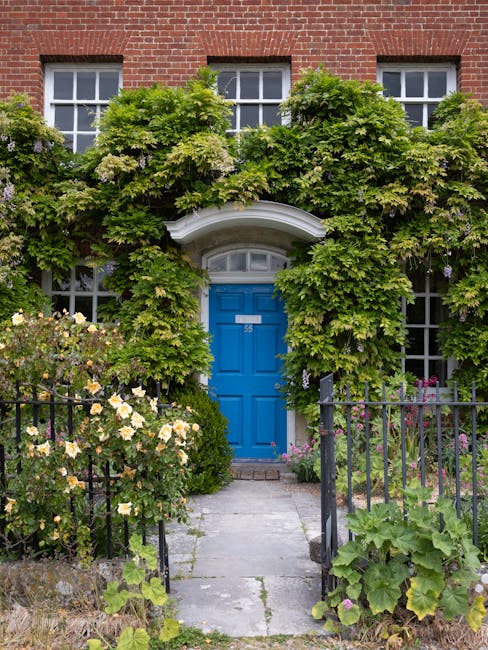
If your front room looks directly onto the street, you may want screening. A mixed approach often works better than a tall wall of green. Think medium-height hedging, climbers on a frame, or a few carefully placed shrubs. If you want softer vertical screening, you might also take a look at evergreen climbers for shaded spots. They can be a smart fit where light is limited and ground space is tight.
6. Put maintenance on a calendar
Front gardens look best when they're handled little and often. A short monthly check is better than one heroic overhaul every six months. Trim, weed, sweep, edge, and deadhead as needed. If you have hedges or formal boundaries, regular upkeep matters even more. For practical help with that side of things, hedge trimming in Purley is a useful service to keep in mind when growth starts to run ahead of you.
7. Finish with one focal point
It could be a specimen shrub, a pot by the gate, a small tree, or a neat bench if space allows. Just one focal point is often enough. More than that, and the eye begins to wander in a slightly confused way. We've all seen that garden. Too many ideas. Not enough restraint.
Expert Tips for Better Results
A few small choices can lift a front garden from ordinary to genuinely smart-looking. These are the details that experienced gardeners notice first.
- Use repetition: repeating one or two plant types creates calm, especially on a busy street.
- Keep colour disciplined: too many colours can make a front garden feel busy at close range.
- Prioritise evergreen structure: it keeps the space from collapsing visually in winter.
- Edge properly: a crisp border makes even modest planting look intentional.
- Match height to the house: tall planting can dwarf a small facade, while tiny plants may disappear beside a larger home.
- Use containers where ground space is limited: they're great for changing seasonal interest without digging up the whole garden.
If you want a front garden that feels calm, think in layers: a base layer of ground cover, a middle layer of shrubs, and maybe one upper layer of structure such as a clipped standard or small tree. That layered look is often more elegant than a straight line of mixed perennials. It reads better from the pavement too.
For a more climate-conscious approach, some front gardens can be designed to use less water, fewer chemical inputs, and less frequent replacement planting. The article on climate-friendly gardening is a good next step if you want to make choices that are kinder to both time and resources.
And don't forget winter. A front garden can look surprisingly stripped in January if every plant is deciduous and the structure is weak. A bit of evergreen backbone goes a long way. One cold morning, you'll be glad you planned for it.
Common Mistakes to Avoid
Most front-garden problems come from a small handful of avoidable mistakes. The good news? They're not hard to fix once you know what to watch for.
- Choosing plants for the label rather than the site: pretty in the nursery doesn't always mean happy in your front garden.
- Overcrowding: young plants look sparse for a while, then suddenly they don't. Leave room.
- Ignoring maintenance access: if you can't reach the back of a bed, you won't keep it tidy for long.
- Using too much gravel or too many hard surfaces: it can make a garden feel hot, harsh, or bare.
- Letting hedges dominate the frontage: screening is useful; swallowing the house is not.
- Forgetting drainage: compacted soil and standing water can cause endless frustration.
There's another common one: people want instant maturity, so they cram in large plants. Then the garden becomes expensive to maintain and loses proportion within a season or two. That sort of thing happens more than you'd think. Better to plant for the future, not just for next Tuesday.
If weeds are already winning, deal with them before redesigning anything else. The advice in these weed-tackling tips can help you avoid building on top of a problem that will only come back louder later.
Tools, Resources and Recommendations
You don't need a van full of kit to keep a front garden tidy. A modest, reliable toolbox usually does the job better than a fancy one. Still, the right tools make a difference, especially if you're trimming, edging, or working in tighter spaces.
Useful basics include:
- sharp secateurs for deadheading and small pruning jobs;
- a hand trowel and border fork for planting and weeding;
- a sturdy broom or leaf rake for paths and entrances;
- hedge shears or a hedge trimmer for clipped boundaries;
- gloves that actually fit, which sounds trivial until you've worn bad ones for twenty minutes;
- a watering can or hose arrangement suitable for the distance from tap to bed;
- mulch, compost, or soil improver for refreshing tired beds.
For broader maintenance, a regular service can keep the whole frontage in good shape rather than tackling each job separately. Depending on what needs doing, that may include garden maintenance, lawn mowing, lawn care, fencing, or landscaping. For gardens with mature trees or awkward overgrowth, tree surgery may also be relevant, but only where proper assessment says it's needed.
There's a reason experienced gardeners keep their toolkit simple. Half the battle is consistency, not gear. A clean, regular routine beats a dramatic once-a-year effort almost every time.
Law, Compliance, Standards, or Best Practice
For front gardens in Purley, the main compliance issues are usually practical rather than dramatic. You're generally looking at safe access, neighbour consideration, boundary awareness, and making sure any work is carried out responsibly. If hedges, trees, or fencing sit near boundaries, it's sensible to check property lines before making changes. That may sound obvious, but it saves arguments later.
Where trees are involved, be careful. Pruning too heavily or at the wrong time can stress the plant, affect shape, and in some cases create future safety issues. If a tree is mature, leaning, close to a building, or showing signs of damage, it is wiser to seek proper assessment than to wing it with a saw and good intentions. Gardening is wonderful. Tree surgery is not a place for guesswork.
Safety best practice matters too. Good contractors should work with appropriate precautions, especially around tools, ladders, and waste removal. If you're hiring anyone to handle difficult access, hedge work, or heavier landscape tasks, it's reasonable to ask about the company's approach to safety and insurance. Helpful pages include health and safety information and insurance and safety guidance. For a fuller picture of how a provider handles things day to day, about the team is also worth a look.
Data and communication matter too. If you're requesting quotes or arranging visits, read the practical details around pricing and quotes, payment and security, and the terms and conditions so everyone is on the same page. If something ever goes wrong, it helps to know the route for feedback, which is why the complaints procedure is useful to understand in advance.
For website and privacy expectations, pages such as the privacy policy, cookie policy, accessibility statement, and modern slavery statement can help you judge whether the business is running with proper care and transparency.
Options, Methods, or Comparison Table
Not every front garden needs the same solution. The right option depends on how much time you have, how much privacy you want, and how formal you want the result to feel. Here's a simple comparison to make the decision easier.
| Approach | Best for | Strengths | Watch-outs |
|---|---|---|---|
| Formal hedging | Neat, structured frontages | Strong definition, good screening, tidy year-round shape | Needs regular trimming and enough space to grow |
| Mixed border | Homes wanting colour and softness | More seasonal interest, natural feel, good for pollinators | Can become cluttered if not planned carefully |
| Container planting | Very small or paved front spaces | Flexible, easy to refresh, useful where soil is poor | Requires watering and occasional replacement |
| Low-maintenance ground cover | Busy households or exposed sites | Suppresses weeds, looks cohesive, reduces upkeep | Needs patience while it establishes |
| Small feature lawn | Traditional homes with enough sunlight | Classic look, softens hard edges | Higher maintenance and less suitable in shade |
If you want something modern and manageable, containers plus structure planting often win. If you want the most natural feel, a mixed border with ground cover and evergreen backbone is usually the sweet spot. Different homes, different answers. That's normal.
Case Study or Real-World Example
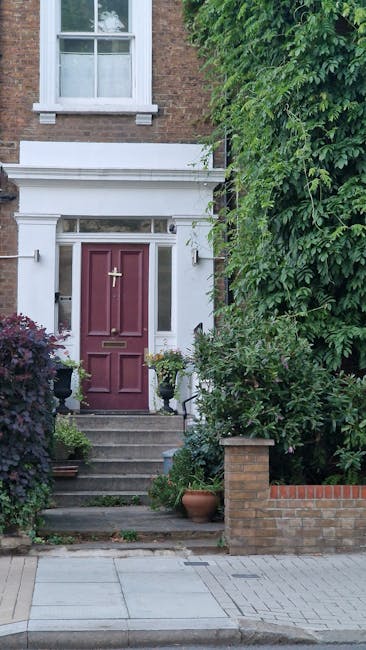
Here's a realistic example from the kind of frontage you see a lot near Purley High Street: a compact Victorian terrace with a narrow front garden, a tired patch of lawn, one overgrown shrub by the window, and a path that always seemed to collect muddy footprints. Nothing dramatic. Just one of those spaces that felt slightly behind the rest of the house.
The fix was simple rather than flashy. First, the old lawn was removed because it needed too much care for the amount of space it occupied. In its place went a layered design: low evergreen structure at the front, a compact seasonal planting strip near the path, and two containers by the door to give height without crowding. The hedge line was reduced to something manageable and kept neat. The path was cleaned, edges were sharpened, and the whole frontage suddenly felt calmer.
What changed most wasn't just appearance. The owner reported that it became easier to keep tidy, easier to walk through, and less stressful to maintain after wet weather. That's the real win. When a front garden stops demanding attention and starts paying it back, you know you've got it right.
That sort of result is also a good reminder that small spaces don't need big drama. They need proportion, repetition, and a few sensible choices made early. Not magic. Just steady judgement.
Practical Checklist
Use this before you start reshaping a front garden near Purley High Street.
- Have I identified the main purpose of the garden?
- Do I know how much sun, shade, and wind the space gets?
- Is access to the front door clear and safe?
- Have I checked whether the soil drains well or stays wet?
- Am I choosing plants that suit the site, not just the look?
- Have I left enough room for mature growth?
- Is there at least one evergreen or structural element for winter interest?
- Do I have a maintenance plan I can realistically keep up with?
- Are hedges, trees, and fences being handled with care and awareness of boundaries?
- Would a professional tidy-up or redesign save me time and stress?
If you can tick most of those boxes, you are in very good shape. If not, that's fine too. Better to notice now than after six months of frustration.
Get a free quote today and see how much you can save.
Conclusion
A front garden on Purley High Street should feel like part of the home, not an afterthought. The best results come from balancing looks with practicality: the right plants, the right structure, and a maintenance routine that fits real life. That's the heart of this Purley gardeners guide to Purley High Street front gardens. Keep the design honest, keep the planting appropriate, and don't be afraid to simplify. Often, less really is more.
If your frontage feels cluttered, neglected, or just a bit stuck, start with a reset rather than a complete overhaul. A cleaner path, a sharper edge, better planting, and one or two smart changes can transform the whole feel of the property. And if you need help with the heavier lifting, that's perfectly reasonable. No one enjoys battling a hedge on a windy afternoon if they don't have to.
At the end of the day, a front garden should welcome you home. That's the quiet bit that matters most.
Frequently Asked Questions
What is the best style for a Purley High Street front garden?
The best style is usually one that suits the house, the amount of space, and the level of upkeep you can manage. For many properties, a simple structured layout with evergreen planting works best because it stays neat and doesn't look bare in winter.
How do I make a small front garden look bigger?
Use a limited plant palette, clear edging, and a single focal point. Avoid overcrowding. Containers can also add height without using too much ground space, which helps the garden feel more open.
What plants work well in exposed front gardens?
Choose hardy shrubs, evergreen structure, tough ground covers, and container plants that tolerate wind. The main thing is to match the plant to the exposure level, not the picture on the label.
How often should a front hedge be trimmed?
That depends on the species and how formal you want the shape to be, but most front hedges benefit from regular trimming during the growing season. If the hedge is starting to encroach on paths or windows, it's time to deal with it sooner rather than later.
Is a lawn a good idea for a front garden?
Sometimes, yes, but only if the area gets enough light and you're happy to maintain it. In many front gardens, a small lawn can become more hassle than it's worth. Ground cover or planting beds may be more practical.
How can I add privacy without making the front of the house look closed off?
Use layered planting, medium-height hedging, or climbers on supports rather than one tall screen. This softens views from the street while keeping the frontage open and welcoming.
What is the lowest-maintenance front garden option?
Low-maintenance ground cover with evergreen structure and a few well-chosen shrubs is often the easiest to manage. Containers can work too, but they need watering, so they are not completely hands-off.
When should I call a professional gardener?
If the hedge is too big, the layout is not working, the soil is poor, or you simply do not have the time, professional help can be a smart move. It also makes sense when a job involves heavier cutting, access issues, or tree work.
Do front gardens need special attention in winter?
Yes. Winter exposes gaps in structure, so evergreen planting, tidy edges, and clear paths become more important. It's also a good time to check for wind damage and make sure plants are not sitting in waterlogged soil.
Can I improve my front garden without a full redesign?
Absolutely. Sometimes a better edge, a hedge trim, improved mulch, and a couple of containers are enough to change the feel completely. Full redesigns are not always necessary, which is a relief for the wallet and the schedule.
How do I choose between landscaping and simple maintenance?
If the structure of the garden is sound, maintenance may be enough. If the layout is awkward, the hard surfaces are failing, or the space does not function well, then landscaping is probably the better long-term answer.
What should I ask a gardener before hiring them?
Ask how they approach maintenance, whether they handle hedge trimming and lawn care, how quoting works, and what safety procedures they follow. If you're comparing providers, it is also useful to look at their service pages and trust information before making a decision.